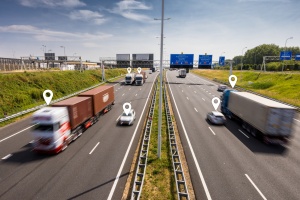
Keeping a fleet on schedule isn’t always easy. Delays occur, costs fluctuate, and drivers require clear direction to prevent downtime. For firms managing logistics or operating in the travel sector, better visibility over vehicle activity isn’t something to overlook. It enables teams to manage resources in real-time and make faster decisions, helping everything run more smoothly.
Visibility doesn’t just support daily operations. It enhances how companies plan, deliver, and adapt when something unexpected arises. From reducing fuel waste to keeping customers informed, smarter oversight delivers practical benefits without complicating operations.
Tracking Tools That Provide Immediate Value
Gaining access to live data helps teams handle problems as they arise. Vehicles caught in traffic, service delays, or scheduling gaps can be addressed with quick reroutes or clear updates to customers. Without this oversight, minor disruptions turn into larger service failures.
A digital fleet tracking system provides transport operators with a means to view vehicle movements in real-time. This level of visibility makes it easier to assign jobs based on actual location, prevent overlaps, and respond to schedule changes. With a clear view of where vehicles are and how they’re performing, operators can make informed decisions rather than relying on calls or check-ins.
Improving Route Planning and Reducing Fuel Waste
Fuel remains one of the biggest operating expenses for transport businesses. It’s also an area where better data has a direct impact. Routes planned without real-world traffic conditions often lead to extra mileage, longer hours, and unnecessary fuel burn.
Using a fleet tracker helps teams plan based on actual road conditions and historical data. This means that routes aren’t just shorter on paper, but are also more efficient in practice. Planners can avoid known congestion zones, schedule around peak travel times, and reduce idle times across the board.
Supporting Driver Performance and Road Safety
Every transport operation depends on the people behind the wheel. Driver behaviour affects both the safety record and the reliability of the fleet. Oversight tools offer a means to support drivers through data-driven insights rather than relying on guesswork.
Tracking systems can record speed, braking, idling, and even how long drivers go without a break. This level of insight enables businesses to stay compliant with road safety laws while providing a clear view of overall driving standards.
Drivers also benefit. Regular feedback helps reduce incidents and creates a fair basis for performance discussions. Companies that use these tools tend to report fewer road incidents and lower insurance claims, which supports long-term cost control and business continuity.
How Visibility Scales with Business Growth
As transport firms grow, complexity increases. More routes, more vehicles, and more staff can make it harder to stay on top of operations. What worked for five vans might not work for a hundred.
Manual processes quickly fall short. Paper logs, direct calls, or whiteboards don’t provide scalable solutions. Fleet tracking tools provide growing teams with the tools required to manage a larger fleet without adding layers of administration.
Real-time tracking allows for centralised control, even when operations span multiple regions. Dispatchers can work from a single dashboard, tracking performance across sites without losing detail. This supports growth while maintaining control over daily operations.
Customer Confidence Through Real-Time Updates
Service quality depends on clear communication. Customers expect timely updates, accurate arrival windows, and confirmation that their service is on track. Delays or gaps in information damage trust and increase service complaints.
Using fleet tracking data, companies can provide live updates. Travel providers can notify passengers of arrival times. Couriers can send estimated delivery windows. Corporate clients can check service progress without making a call.
This approach not only reduces customer frustration but also lowers the pressure on support teams. With fewer incoming enquiries and more automated updates, staff can focus on delivery rather than admin.
Confidence grows when clients know what to expect and when. Businesses that invest in real-time communication see stronger retention and higher service satisfaction ratings across the board.
Picking the Right Tracking Setup
Not all tracking tools are equal. Some offer limited functionality, poor accuracy, or outdated user interfaces that hinder team productivity. Choosing a system that fits your business model and scale is key.
Look for platforms with proven performance in transport-heavy sectors. Features like route replay, fuel reporting, geofencing, and driver behaviour tracking should be standard. Compatibility with other systems, such as logistics software or customer platforms, can also increase efficiency.
Support matters too. Reliable onboarding, training and ongoing technical help keep operations running smoothly. Reviews from similar businesses can provide useful insight into long-term value.
Avoid underpowered systems that only meet current needs. Choose tools that can scale with your operation, so upgrades don’t become a frequent distraction.
Investing in Better Oversight Pays Off
Gaining clear visibility across a vehicle fleet improves more than efficiency. It allows teams to act with more confidence, reduce operating costs and serve clients with greater precision.
Transport and travel providers that apply tracking insights build a stronger, more responsive business model. With data supporting planning, safety, customer service and growth, there’s little reason to delay implementing the right solution.
Investing in a system that works across your operation delivers value now and sets the stage for continued progress.