For more than 75 years, Ferrari has defined performance through the visceral roar of a petrol engine — the V8s and V12s that became as synonymous with the brand as the Prancing Horse itself. Now, in one of the most significant transformations in its history, Ferrari is accelerating toward an electric future — and doing so with the creative vision of legendary designers Sir Jony Ive and Marc Newson.
From Combustion to Current
Ferrari’s shift from internal combustion to electric vehicles (EVs) marks more than a technological evolution; it represents a philosophical pivot. Petrol engines have long been central to Ferrari’s emotional appeal — the sound, vibration and mechanical theatre forming part of the driving ritual. Moving to electric propulsion inevitably changes that sensory experience.
[embedded content]
Yet for Ferrari, electrification is not about abandoning heritage, but reinterpreting it. Hybrid models such as the SF90 Stradale and 296 GTB laid the groundwork, blending combustion with electric power to enhance performance rather than dilute it. The next step — fully electric — signals Ferrari’s commitment to a future shaped by sustainability, regulation and shifting consumer expectations, while preserving its core promise: uncompromising performance.
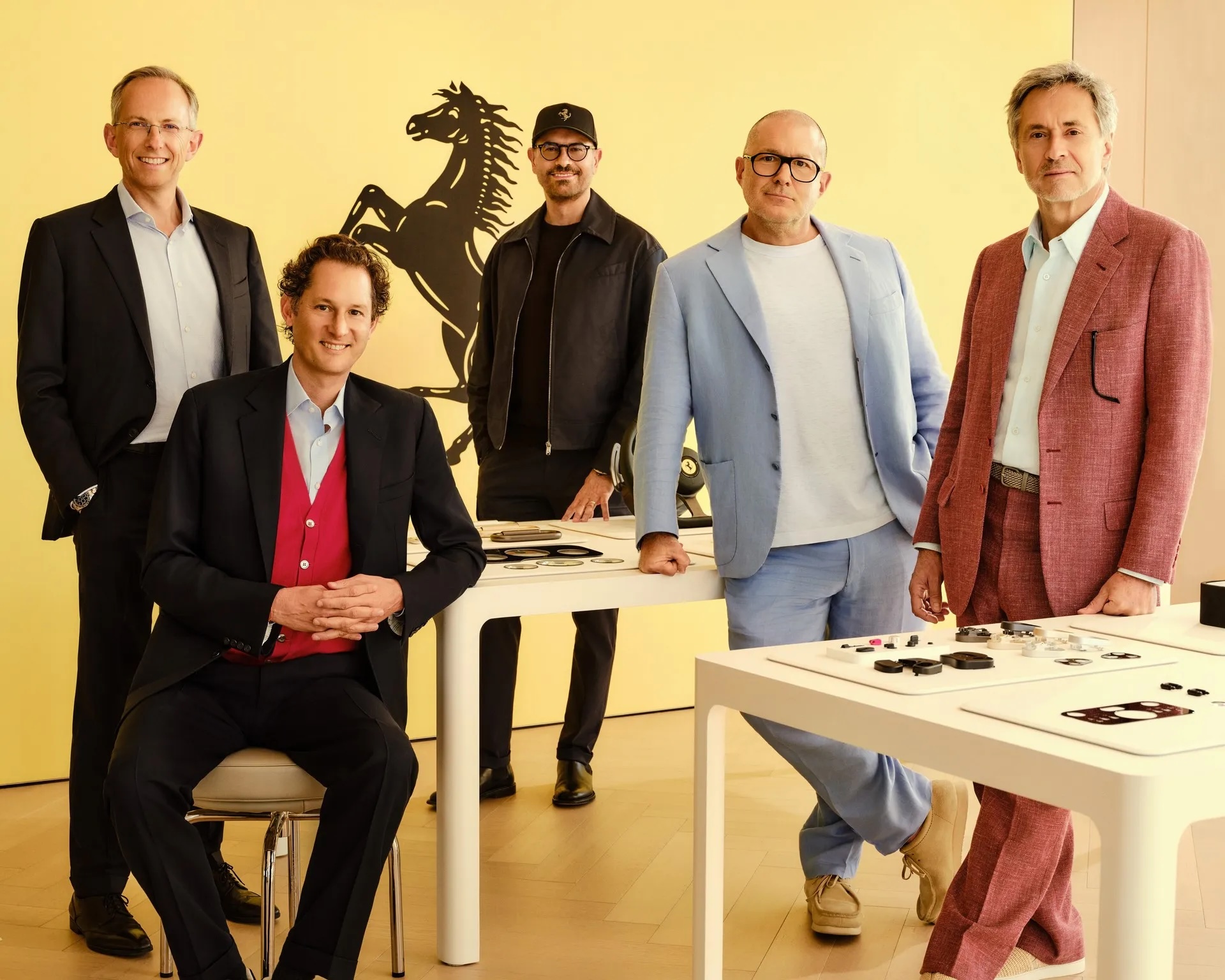 From left: Ferrari CEO Benedetto Vigna, Exor CEO John Elkann, Ferrari chief design officer Flavio Manzoni and LoveFrom’s Jony Ive and Marc Newson.Photo: Courtesy of Ferrari
A New Design Language
To help shape this new chapter, Ferrari has reportedly collaborated with Jony Ive and Marc Newson — designers best known for redefining modern product aesthetics through their work in technology and industrial design.
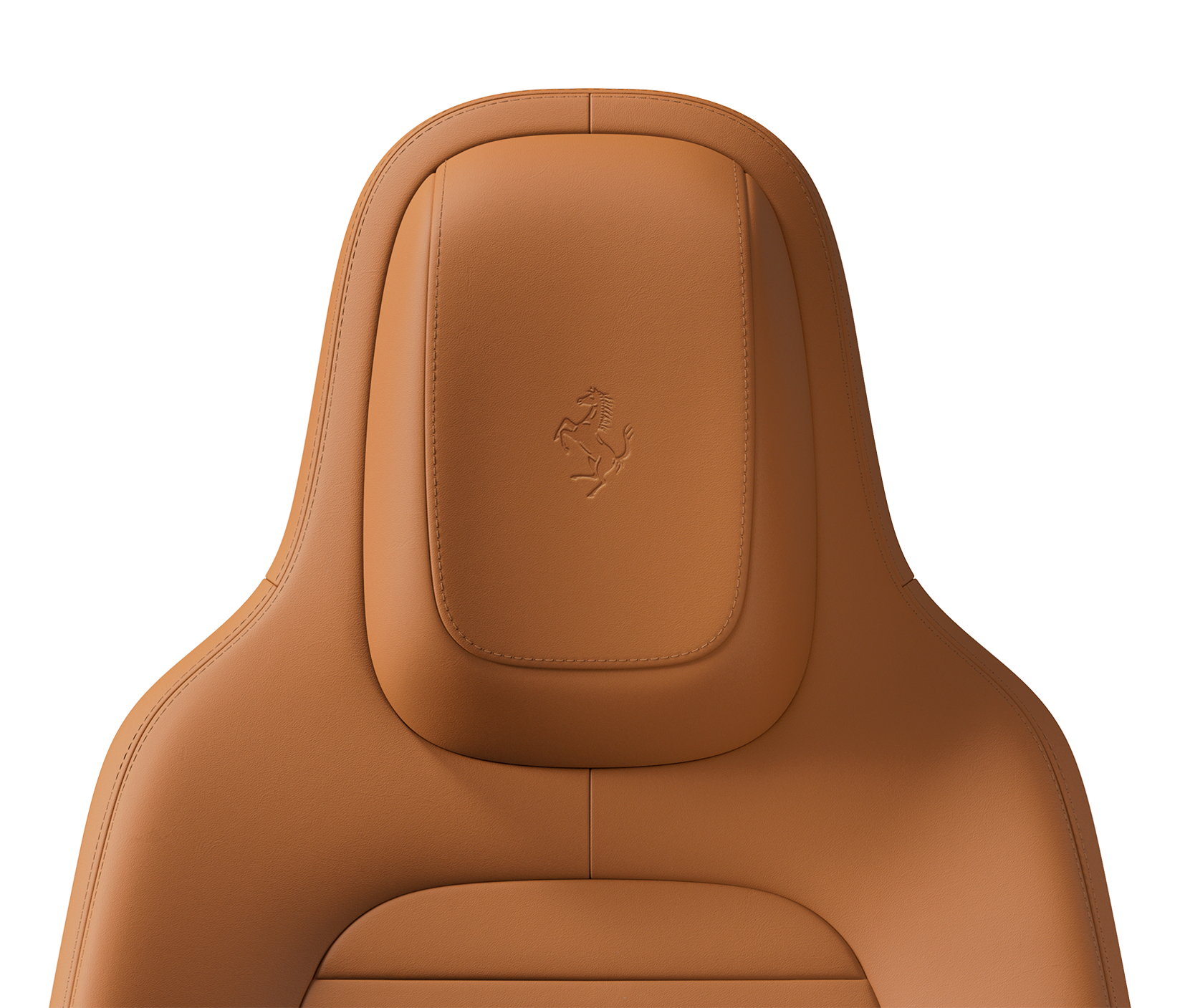
Ive, celebrated for his minimalist philosophy and intuitive design approach, and Newson, renowned for fluid forms and sculptural precision, bring an outside perspective to Maranello. Their involvement signals that Ferrari’s electric era will not merely replicate existing supercar tropes with a battery pack inserted — it will rethink what a Ferrari can look and feel like in the absence of a traditional engine architecture.
Electric platforms allow for radically different proportions. Without the constraints of a large combustion engine, designers can lower centres of gravity, reshape cabins and rethink airflow. Expect cleaner surfacing, more integrated aerodynamics and a focus on purity of form — where technology is seamlessly embedded rather than overtly displayed.
Reinventing Emotion
The greatest challenge Ferrari faces is not performance — electric motors already deliver instant torque and staggering acceleration — but emotion. Ferrari buyers do not purchase numbers alone; they buy drama, craftsmanship and identity.
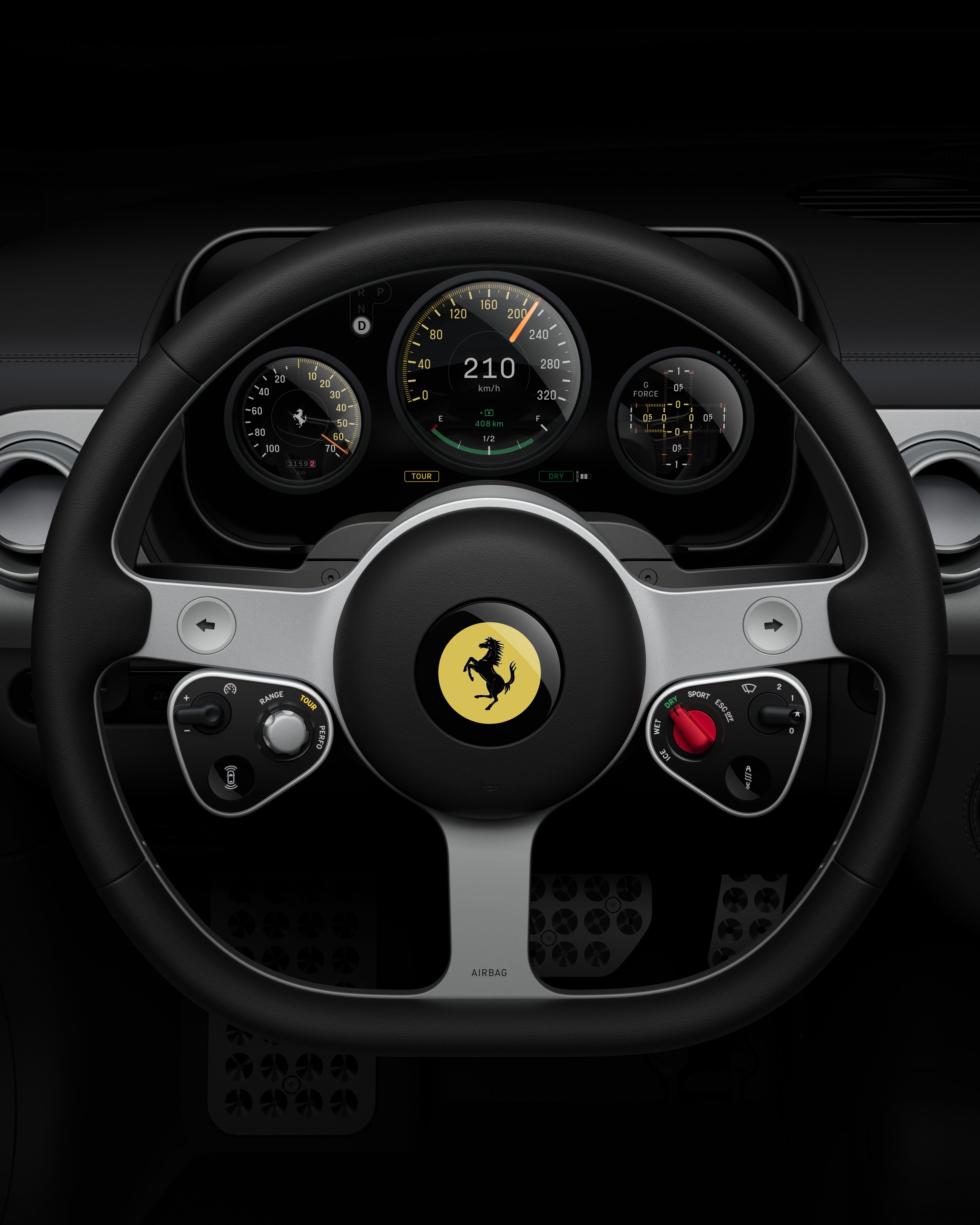
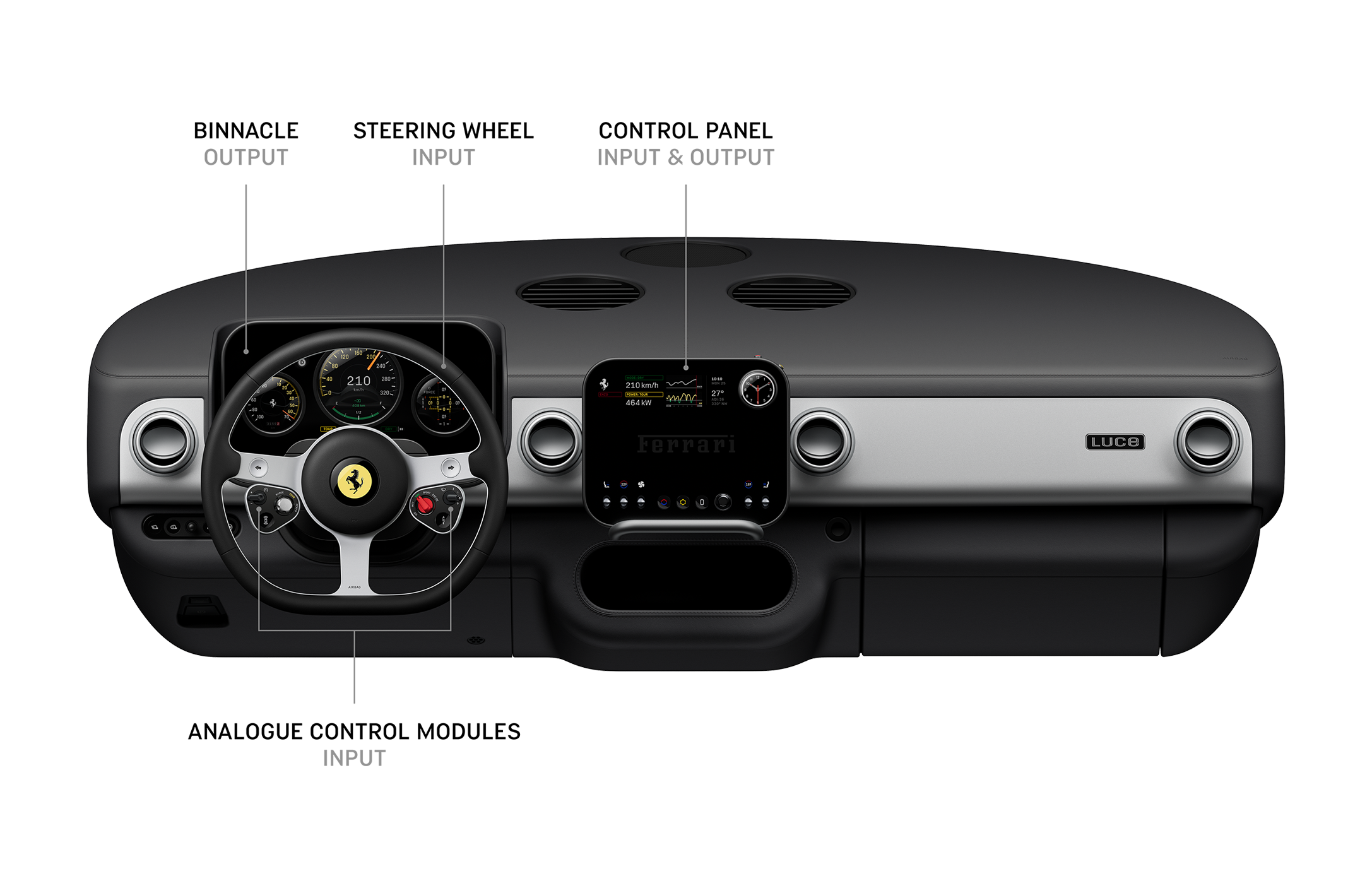
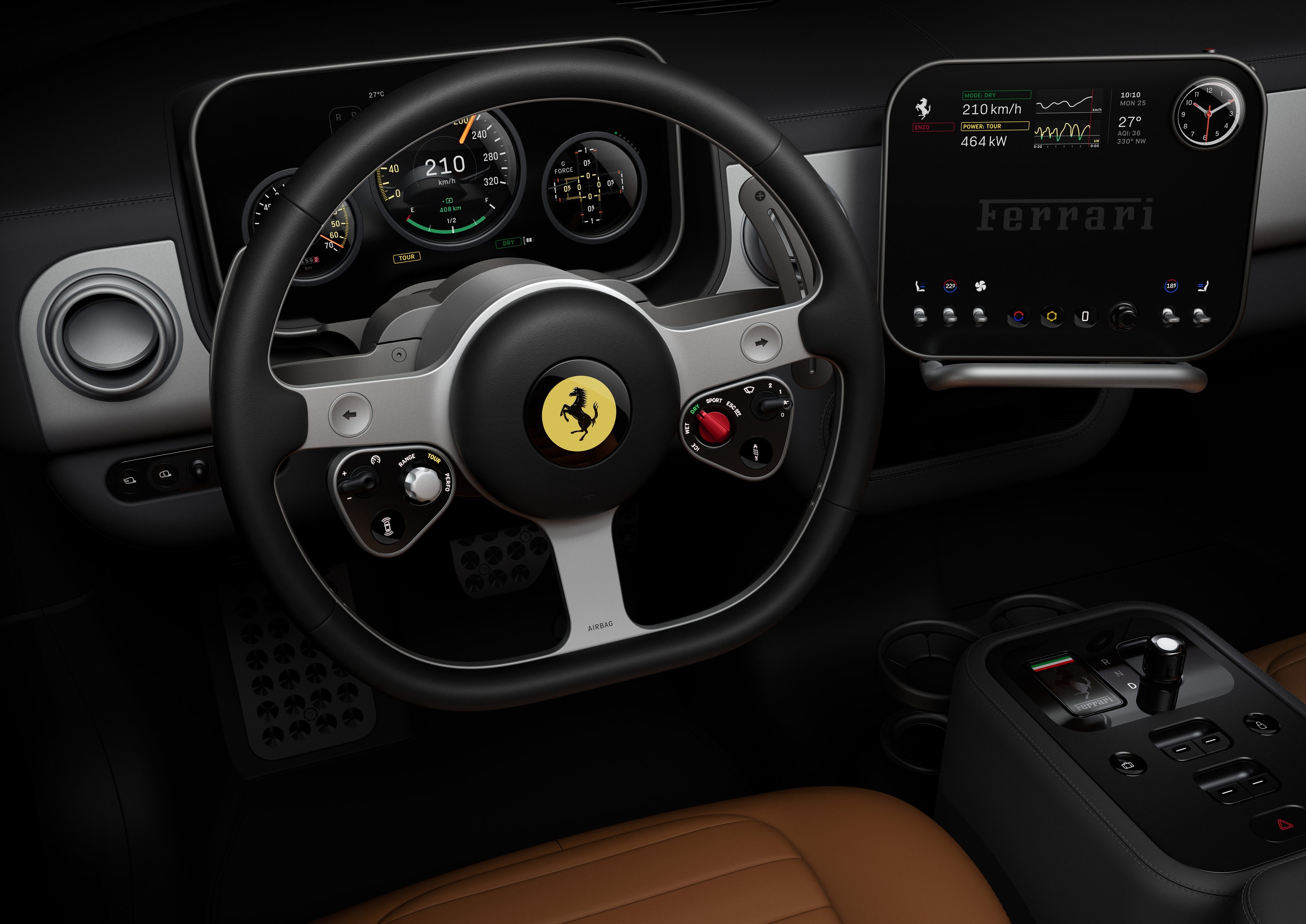
The collaboration with Ive and Newson suggests Ferrari understands this deeply. Their design philosophy often centres on creating products that feel inevitable — objects stripped of excess yet rich in tactile experience. Applied to Ferrari, this could mean interiors that feel more architectural than mechanical, sustainable materials that retain luxury credentials, and digital interfaces that enhance — rather than overwhelm — the driver.
The question of sound, long central to Ferrari’s character, is also evolving. Whether through engineered acoustic signatures or innovative sensory cues, Ferrari’s EV will need to craft a new kind of theatre — one aligned with silence but not devoid of presence.
Performance Without Compromise
Electrification also opens new performance possibilities. Advanced battery placement improves balance, while software-controlled torque vectoring allows precision unimaginable in traditional drivetrains. Ferrari’s electric future is likely to be as much about software engineering as mechanical mastery.
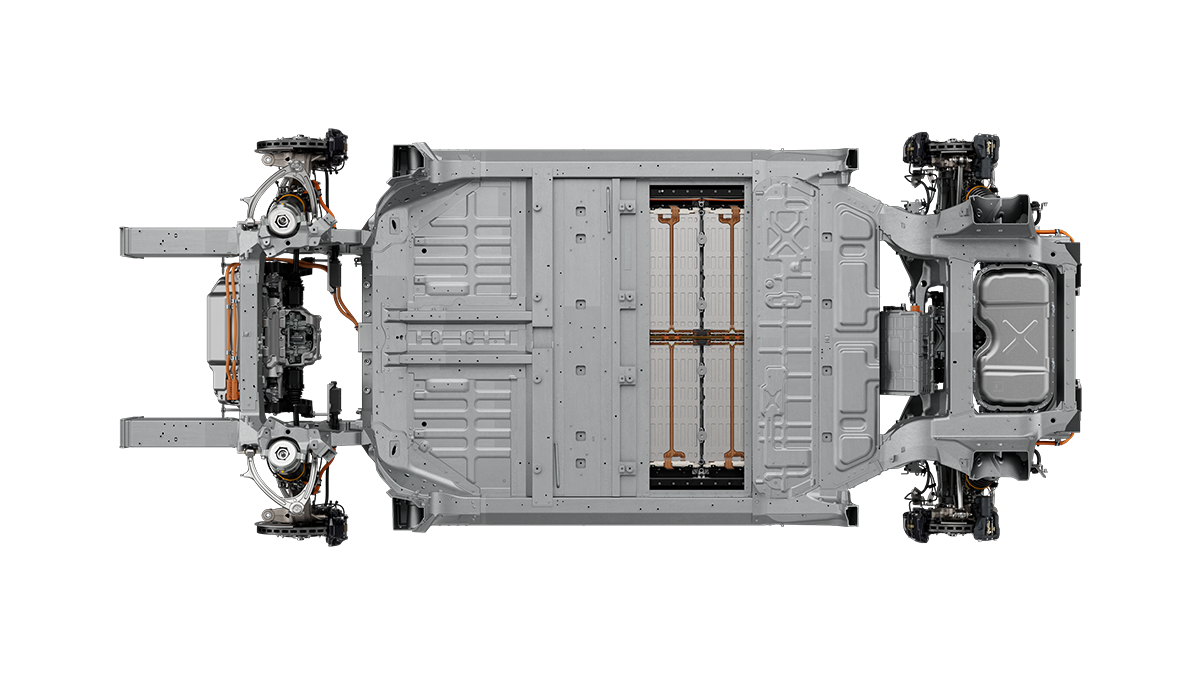
At the same time, sustainability pressures and tightening emissions regulations across Europe, China and North America make electrification not just desirable, but inevitable. Ferrari’s challenge is to transition without becoming ordinary — to ensure its EVs feel like Ferraris first, electric vehicles second.
The Future of the Prancing Horse
Ferrari’s move from petrol to electric is not a rejection of its past, but an evolution of it. By pairing its engineering heritage with the visionary design sensibilities of Jony Ive and Marc Newson, the brand is signalling ambition: to redefine what a high-performance electric car can be.
If successful, Ferrari’s electric chapter may do what the company has always done at its best — turn technological change into an object of desire.
The engine note may fade, but the emotion, it seems, will not.
By Sid Thaker